Quick Answer
Goodwill stores restock continuously throughout the week rather than on a single fixed schedule. Fresh donations are typically sorted and rolled onto racks early in the week—especially Monday and Tuesday mornings—after weekend drop-offs, while Goodwill Outlet (“The Bins”) locations swap rolling bins in waves every 30 to 90 minutes throughout the day.
Key Takeaways
-
Continuous flow beats a single restock day: Standard retail locations push rolling racks out throughout open hours as sorters finish pricing donations.
-
Early weekdays hold a real edge: Because households clear closets and garages on weekends, early-week mornings often bring larger batches of newly processed items.
-
Store format changes the game: Traditional stores organize items by department and color tag, while outlet centers rotate bulk bins on multi-hour daily cycles.
-
Tag colors signal turnover: Weekly color-tag markdowns and pull schedules reveal when older stock exits and fresh merchandise replaces it.
-
Local observation outperforms rumors: Staffing levels, regional processing centers, and donation volume shape exact timing more than national myths.
How the Goodwill Restock Cycle Actually Works
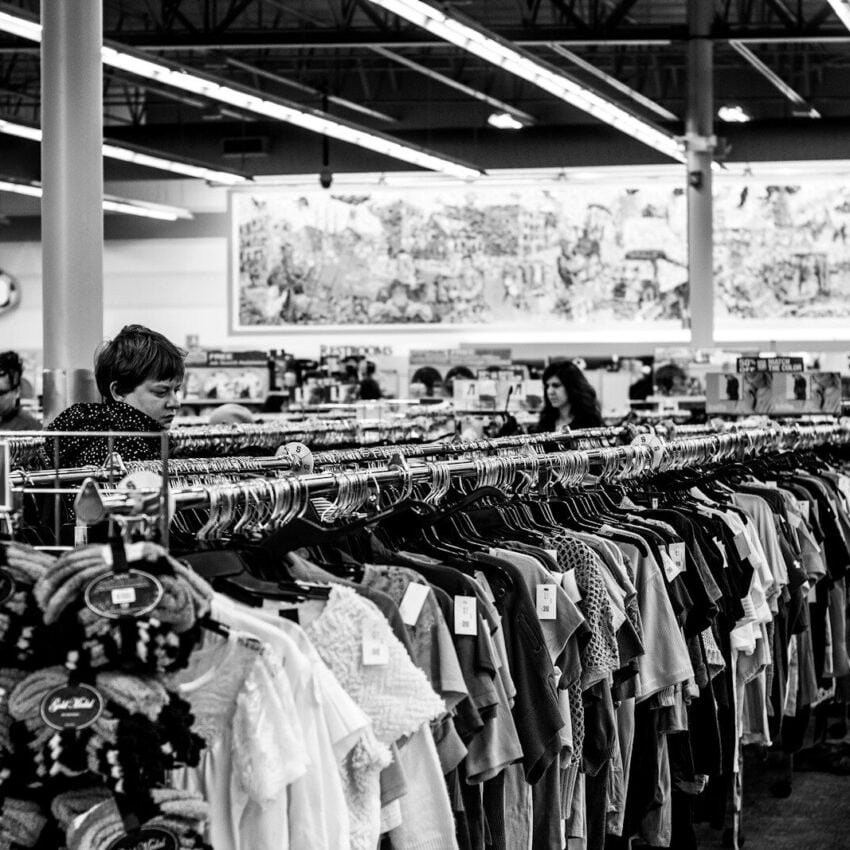
Best Days and Times to Catch Fresh Inventory
Standard Goodwill Stores vs. Goodwill Outlets (“The Bins”)
| Feature | Traditional Goodwill Store | Goodwill Outlet (“The Bins”) |
| Inventory format | Hung racks, shelves, endcaps, and glass cases | Large rolling metal bins sorted by broad category |
| Restock cadence | Ongoing rolling carts throughout the day; peak early-week mornings | Scheduled wave rotations (often 4 to 8 times per day, varying by site) |
| Pricing structure | Individual ticket or color-tag pricing | Price per pound (often lower tiers for glassware or books) |
| Best shopper approach | Learn department zones, tag rotations, and morning hours | Stay alert to floor bell/callouts, staging lines, and rotation intervals |
Color Tags, Pulls, and Seasonal Shifts
-
Late winter and early spring: Tax-refund shopping, spring cleaning donations, and early transition to lighter jackets and outdoor gear.
-
Late summer and early fall: Back-to-school waves, dorm/apartment move-outs, and autumn coats.
-
Late fall through December: Giftable items, holiday decor, and winter wear, sometimes paired with brisker sell-through.
How to Spot Your Store’s Pattern in 5 Steps
-
Confirm store hours and format: Check whether your nearest location is a standard retail store or a bin outlet, and verify weekday opening times.
-
Ask a floor or back-room associate politely: During a calm moment—not during a rush—ask if they typically push out larger morning carts or run color-tag pulls on specific days.
-
Run a two-week observation test: Visit the same store at the same hour on two or three different weekdays (for example, Tuesday at 9:30 AM and Thursday at 9:30 AM) and note rack fullness and active tagging.
-
Watch for visual restock cues: Look for freshly hung shirts facing the same direction, empty price-gun trays near racks, or rolling carts parked beside a department.
-
Track tag-color transitions: Note which tag color is currently on sale and how quickly that section thins out before new colors appear.
Practical Examples and Common Mistakes
Real-World Shopping Scenarios
-
The reseller hunting vintage denim and outerwear: A shopper visiting a suburban store on Tuesday at 9:15 AM finds two newly rolled outerwear carts before midday crowds arrive, spotting a wool blazer and selvedge jeans that had just been tagged.
-
The patient bin shopper: At a metro outlet, a newcomer walks through once at 11:00 AM, sees mostly picked-over clothes, and leaves—missing a 11:45 AM rotation where two fresh rows of hardgoods and housewares roll out.
-
The budget-minded parent: Checking a store during a half-off kids’ tag week lets a parent stretch a $40 budget across play clothes and board games right as spring donations hit the floor.
Common Mistakes to Avoid
-
Chasing a single “secret restock day”: Assuming a store only puts out goods on one day of the week causes shoppers to skip productive midweek mornings.
-
Hovering in front of staff carts: Crowding an employee unloading a rack slows down restocking and creates friction; step back a few feet and let them set the line.
-
Ignoring high-value items behind counters: Jewelry, electronics, collectibles, and designer pieces frequently go into locked cases or online auction channels rather than open racks.
-
Judging an outlet in ten minutes: Bin floors reset in waves—if a rotation is minutes away, walking out early costs you the freshest layer.
Pros and Cons of Timing Your Visits Around Restocks
-
Higher odds of finding unpicked sizes, matching sets, and standout items.
-
Quieter aisles on weekday mornings make inspecting zippers, seams, and electronics easier.
-
Better alignment with color-tag markdowns and fresh seasonal inventory.
-
Weekday mornings require flexible schedules or commuting before work/errands.
-
Exact cart timing still fluctuates with staff shifts, call-outs, and donation spikes.
-
Popular categories (shoes, electronics, coats) attract regular shoppers who learn the same local rhythms.